The Alliance Deeply Engages in China-Russia Sci-Tech Cooperation and Promotes Interconnection of International Standards

22 Oct, 2025

From October to November 2025, the China Association for International Science and Technology Promotion (CIAPST) and the Russian Academy of Natural Sciences (RANS) carried out a series of intensive scientific and technological cooperation and exchange activities. Dr. Peng Jianbiao, CEO for UN Consultative Affairs of CIAPST and Chairman of the International Regional Innovation and Standardization Alliance, took an active part in these cooperative events. As a professional platform for international regional innovation and standardization, the Alliance has served as a bridge and bond for scientific and technological cooperation between China and Russia.
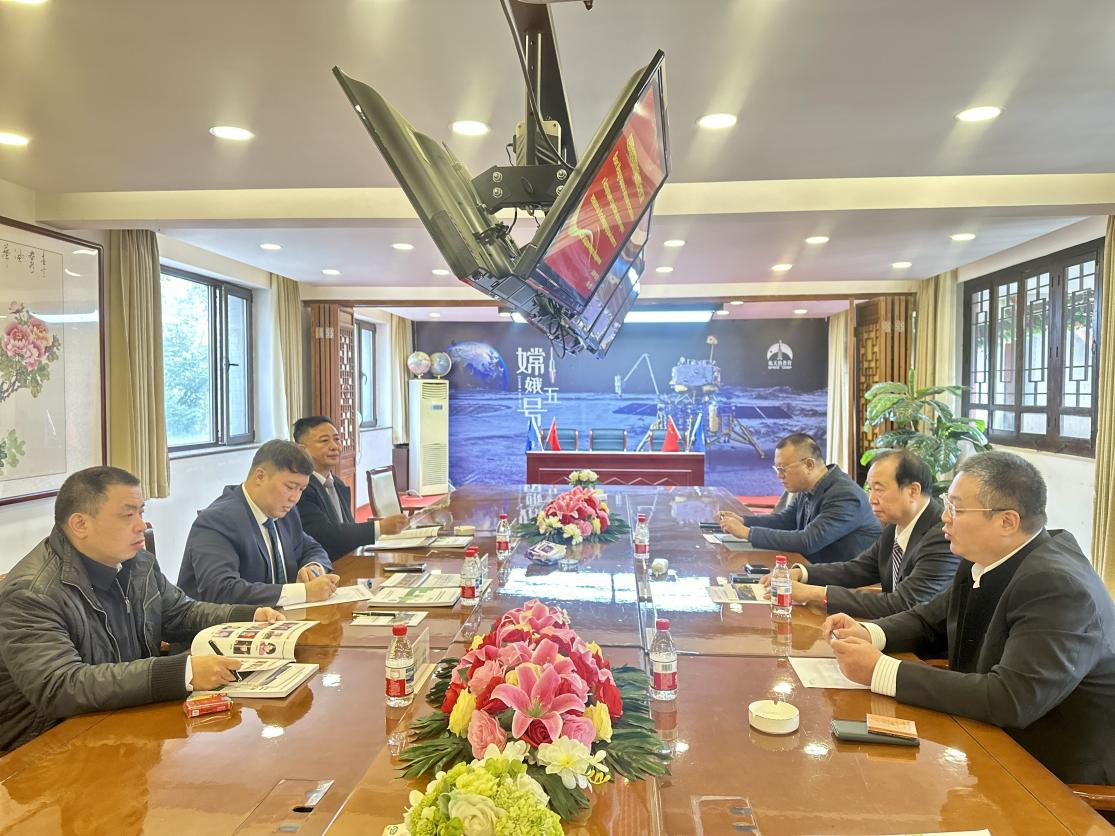
Signing of Strategic Cooperation Agreement Usher in a New Chapter of China–Russia Sci-Tech Cooperation

On October 22, 2025, a ceremony for the signing of a strategic cooperation agreement between the China Association for International Science and Technology Promotion and the Russian Academy of Natural Sciences was held in Beijing. Zhang Shaochun, Vice President and Secretary-General of CIAPST, and Boraev Arash Valeryevich, Vice President of the Russian Academy of Natural Sciences, jointly signed the agreement.

Subsequently, the delegation of the Russian Academy of Natural Sciences paid a special visit to the International Academician Union. The two sides held friendly discussions and in-depth exchanges on potential areas of cooperation.
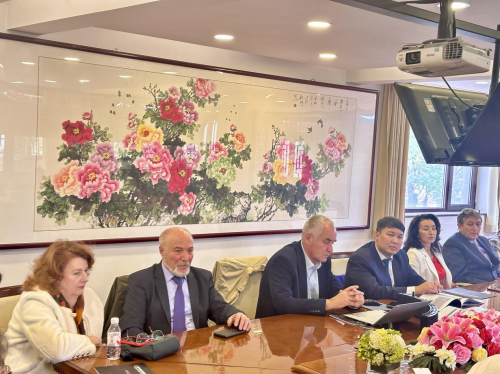
Dr. Peng Jianbiao, Chairman of the Alliance, stated that the signing of the strategic cooperation agreement marks an important milestone for in-depth cooperation between China and Russia in scientific and technological innovation and standardization. The Alliance will give full play to its platform advantages in regional innovation collaboration and international standard alignment, and advance standardization cooperation between the two countries in fields such as clean energy, artificial intelligence governance, and science and technology for people’s livelihood.



The Alliance Deeply Engages in China-Russia Sci-Tech Cooperation and Promotes Interconnection of International Standards

22 Oct, 2025

From October to November 2025, the China Association for International Science and Technology Promotion (CIAPST) and the Russian Academy of Natural Sciences (RANS) carried out a series of intensive scientific and technological cooperation and exchange activities. Dr. Peng Jianbiao, CEO for UN Consultative Affairs of CIAPST and Chairman of the International Regional Innovation and Standardization Alliance, took an active part in these cooperative events. As a professional platform for international regional innovation and standardization, the Alliance has served as a bridge and bond for scientific and technological cooperation between China and Russia.

Signing of Strategic Cooperation Agreement Usher in a New Chapter of China–Russia Sci-Tech Cooperation

On October 22, 2025, a ceremony for the signing of a strategic cooperation agreement between the China Association for International Science and Technology Promotion and the Russian Academy of Natural Sciences was held in Beijing. Zhang Shaochun, Vice President and Secretary-General of CIAPST, and Boraev Arash Valeryevich, Vice President of the Russian Academy of Natural Sciences, jointly signed the agreement.

Subsequently, the delegation of the Russian Academy of Natural Sciences paid a special visit to the International Academician Union. The two sides held friendly discussions and in-depth exchanges on potential areas of cooperation.

Dr. Peng Jianbiao, Chairman of the Alliance, stated that the signing of the strategic cooperation agreement marks an important milestone for in-depth cooperation between China and Russia in scientific and technological innovation and standardization. The Alliance will give full play to its platform advantages in regional innovation collaboration and international standard alignment, and advance standardization cooperation between the two countries in fields such as clean energy, artificial intelligence governance, and science and technology for people’s livelihood.