Soaring Electric Vehicle Sales in Europe, IEC Standards Facilitate a Smooth Transition

29 Apr, 2026

Europeans are switching to electric vehicles at an unprecedented rate. IEC standards are paving the way for a seamless transition to electric mobility.

To a certain extent, this trend was predictable. However, the first set of European data released in the aftermath of the Iran-U.S. conflict reveals that electric vehicle sales are growing rapidly.

In March, there were 224,000 new electric vehicle registrations across Europe. The cumulative number of registrations in the first three months of this year reached 500,000, a year-on-year increase of 33.5%. Released by New AutoMotive and industry association E-Mobility Europe, the data covers 15 European countries.Norway takes the lead, with electric vehicles accounting for 98% of all new car sales in March; Denmark follows at 76%, and Finland stands at nearly 50%. Norway boasts one of the world’s highest per capita electric vehicle ownership rates, attributed to long-standing government policies that consistently incentivize the development and adoption of electric vehicles.
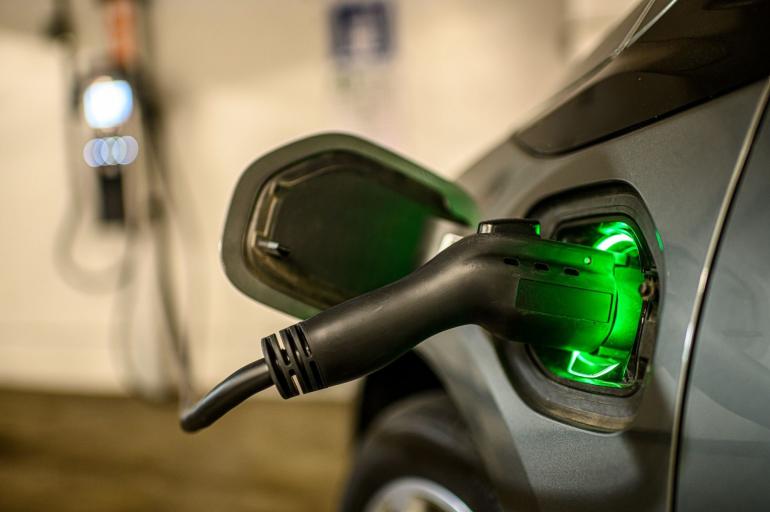
Countries outside Northern Europe are also showing strong momentum. According to the industry body, the electric vehicle penetration rate in Germany, France, Spain, Italy and Poland rose by 40% in the first quarter of this year.

IEC Standards Underpin the Electric Vehicle Transition

A wide range of IEC international standards help ensure the safety of electric vehicles, enable their charging from the power grid, and even allow them to feed electricity back to the grid when needed.For instance, the IEC 61850 series issued by IEC TC 57 is a cornerstone standard for smart grids, primarily addressing the integration of renewable energy and electric vehicles into the power grid.

IEC 62196-1 Plugs, socket-outlets, vehicle connectors and vehicle inlets – Conductive charging of electric vehicles – Part 1: General requirements specifies the interface between electric vehicles and charging stations, and defines requirements and test methods for associated accessories.

IEC TC 69 develops standards for power and energy transmission systems applicable to electric vehicles (EVs). This includes the IEC61851 series for conductive charging systems, which sets out technical requirements for direct current (DC) and alternating current (AC) charging infrastructure. Meanwhile, IEC 63110 establishes management protocols for electric vehicle charging and discharging infrastructure.

As megawatt (MW)-level DC charging gains increasing importance, IEC has recently published IEC TS 63379, which defines the standard interface configuration for vehicle charging connectors and accessories required for megawatt-level conductive DC charging.

IEC TC 21 develops international standards for battery cells, including lithium-ion batteries, such as the IEC 62660 series for secondary lithium-ion batteries used in electric vehicles. This three-part series covers performance testing, reliability testing and safety requirements. In addition, IEC 62840-2 ensures the safety of electric vehicle battery swap systems.

Conformity Assessment for Batteries and Electric Vehicles Is Crucial

Testing and certification for various battery systems form part of the service offerings of IECEE, one of IEC’s four conformity assessment systems – the IECEE Conformity Assessment System for Electrotechnical Equipment and Components.The scheme evaluates batteries in terms of safety, performance, component interoperability, energy efficiency, electromagnetic compatibility (EMC) and hazardous substances.

IECEE also runs a dedicated electric vehicle programme through its registered certification bodies, testing laboratories and national certification authorities. It provides testing and certification for charging systems, charging stations and plugs in accordance with IEC standards.



Soaring Electric Vehicle Sales in Europe, IEC Standards Facilitate a Smooth Transition

29 Apr, 2026

Europeans are switching to electric vehicles at an unprecedented rate. IEC standards are paving the way for a seamless transition to electric mobility.

To a certain extent, this trend was predictable. However, the first set of European data released in the aftermath of the Iran-U.S. conflict reveals that electric vehicle sales are growing rapidly.

In March, there were 224,000 new electric vehicle registrations across Europe. The cumulative number of registrations in the first three months of this year reached 500,000, a year-on-year increase of 33.5%. Released by New AutoMotive and industry association E-Mobility Europe, the data covers 15 European countries.Norway takes the lead, with electric vehicles accounting for 98% of all new car sales in March; Denmark follows at 76%, and Finland stands at nearly 50%. Norway boasts one of the world’s highest per capita electric vehicle ownership rates, attributed to long-standing government policies that consistently incentivize the development and adoption of electric vehicles.

Countries outside Northern Europe are also showing strong momentum. According to the industry body, the electric vehicle penetration rate in Germany, France, Spain, Italy and Poland rose by 40% in the first quarter of this year.

IEC Standards Underpin the Electric Vehicle Transition

A wide range of IEC international standards help ensure the safety of electric vehicles, enable their charging from the power grid, and even allow them to feed electricity back to the grid when needed.For instance, the IEC 61850 series issued by IEC TC 57 is a cornerstone standard for smart grids, primarily addressing the integration of renewable energy and electric vehicles into the power grid.

IEC 62196-1 Plugs, socket-outlets, vehicle connectors and vehicle inlets – Conductive charging of electric vehicles – Part 1: General requirements specifies the interface between electric vehicles and charging stations, and defines requirements and test methods for associated accessories.

IEC TC 69 develops standards for power and energy transmission systems applicable to electric vehicles (EVs). This includes the IEC61851 series for conductive charging systems, which sets out technical requirements for direct current (DC) and alternating current (AC) charging infrastructure. Meanwhile, IEC 63110 establishes management protocols for electric vehicle charging and discharging infrastructure.

As megawatt (MW)-level DC charging gains increasing importance, IEC has recently published IEC TS 63379, which defines the standard interface configuration for vehicle charging connectors and accessories required for megawatt-level conductive DC charging.

IEC TC 21 develops international standards for battery cells, including lithium-ion batteries, such as the IEC 62660 series for secondary lithium-ion batteries used in electric vehicles. This three-part series covers performance testing, reliability testing and safety requirements. In addition, IEC 62840-2 ensures the safety of electric vehicle battery swap systems.

Conformity Assessment for Batteries and Electric Vehicles Is Crucial

Testing and certification for various battery systems form part of the service offerings of IECEE, one of IEC’s four conformity assessment systems – the IECEE Conformity Assessment System for Electrotechnical Equipment and Components.The scheme evaluates batteries in terms of safety, performance, component interoperability, energy efficiency, electromagnetic compatibility (EMC) and hazardous substances.

IECEE also runs a dedicated electric vehicle programme through its registered certification bodies, testing laboratories and national certification authorities. It provides testing and certification for charging systems, charging stations and plugs in accordance with IEC standards.