IEC, ISO and ITU Jointly Release the Seoul Declaration

23 Sep, 2025

The International Electrotechnical Commission (IEC), the International Organization for Standardization (ISO) and the International Telecommunication Union (ITU) jointly released the Seoul Declaration today. It aims to advance the development of artificial intelligence (AI) through international standards, and build an inclusive, open, sustainable, equitable, safe and trustworthy future for all humanity.

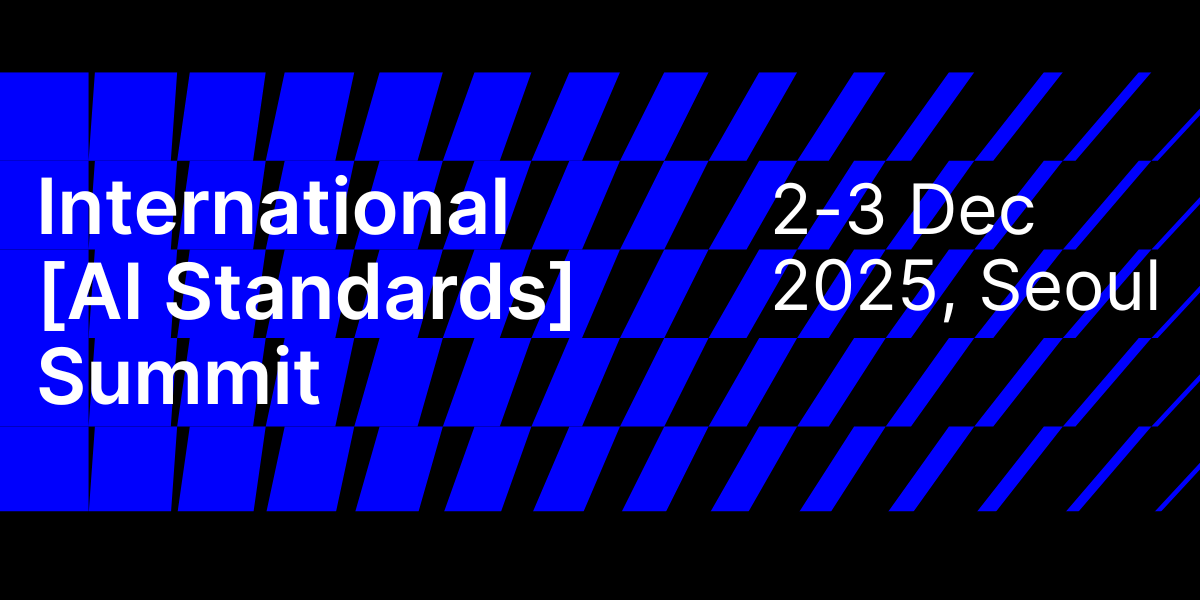
The declaration was launched at the International AI Standards Summit held in Seoul, South Korea. Hosted by the Korean Agency for Technology and Standards (KATS), the summit took place on December 2–3.

More than 340 representatives from 65 countries gathered at the event, including participants from governments, industry, academia, civil society, the public and private sectors, international organizations and United Nations agencies.

As an important platform, the summit seeks to address the complex challenges brought by AI, while promoting the development and adoption of AI standards that safeguard reliability, sustainability and human rights.

Seoul, Republic of Korea – December 2, 2025 — At the International AI Standards Summit in Seoul, South Korea, IEC, ISO and ITU jointly issued the Seoul Declaration on Artificial Intelligence, reaffirming their shared commitment to advancing safe, inclusive and effective international AI standards and bridging the AI divide.

The declaration sets out the shared vision and commitment of the three organizations on how international standards will support the development and deployment of trustworthy AI systems to benefit society, drive innovation and uphold fundamental rights.

AI offers tremendous opportunities to enhance human well-being. The Seoul Declaration recognizes the transformative impact of AI on society and underscores the importance of adopting an inclusive and responsible governance approach.

With the release of the declaration, IEC, ISO and ITU highlight the value of international standards in driving AI development, striving to create an inclusive, open, sustainable, equitable, safe and reliable digital future for all people.

Dr. Cho Sung-hwan, President of ISO, stated:““AI has the potential to deliver far-reaching benefits to people and economies worldwide. To ensure this potential is realized in a fair and responsible manner, international standards are indispensable. This joint declaration reflects our commitment to strengthening inter-organizational cooperation to deliver relevant, robust and people-centric standards that guide the responsible design and use of AI technologies.”

oe Koppes, President of IEC, said:“The rapid rise of AI confirms a fundamental truth: technology is always people-centered. As AI becomes central to the global economy, we must urgently establish a guiding framework. This joint commitment underscores the value of international standards as a blueprint for the safe, trustworthy and human-centric development of AI.”

Seizo Onoe, Director of the ITU Telecommunication Standardization Sector, remarked:“Standards are technical tools that uphold the principles we live by. The vision outlined in this joint declaration requires diverse expertise, global cooperation and a commitment to consensus — the very spirit that drives our standardization work and shapes the future we want.”

The Seoul Declaration outlines four key commitments. To enable all people and societies to benefit from the AI revolution and advance sustainable development, IEC, ISO and ITU commit to:

  1. Proactively integrate socio-technical dimensions into standards development;

  2. Deepen understanding of the interplay between international standards and human rights, recognizing their importance and universality;

  3. Strengthen inclusive and dynamic multi-stakeholder communities for developing and applying international standards on AI design, deployment and governance;

  4. Enhance public–private cooperation on AI capacity building.

With complementary scopes of work and a long-standing collaborative relationship, IEC, ISO and ITU are working together to ensure AI standards reflect global needs, support regulatory coherence, and foster interoperability, trust and inclusiveness in the digital era.

The International AI Standards Summit is a two-day global conference held in Seoul to advance international cooperation in the field of AI standardization. It brings together leading experts from governments, industry, academia and standards bodies, focusing on aligning technical work with public policy goals and strengthening collaboration between domestic and international efforts to shape trustworthy artificial intelligence.



IEC, ISO and ITU Jointly Release the Seoul Declaration

23 Sep, 2025

The International Electrotechnical Commission (IEC), the International Organization for Standardization (ISO) and the International Telecommunication Union (ITU) jointly released the Seoul Declaration today. It aims to advance the development of artificial intelligence (AI) through international standards, and build an inclusive, open, sustainable, equitable, safe and trustworthy future for all humanity.

The declaration was launched at the International AI Standards Summit held in Seoul, South Korea. Hosted by the Korean Agency for Technology and Standards (KATS), the summit took place on December 2–3.

More than 340 representatives from 65 countries gathered at the event, including participants from governments, industry, academia, civil society, the public and private sectors, international organizations and United Nations agencies.

As an important platform, the summit seeks to address the complex challenges brought by AI, while promoting the development and adoption of AI standards that safeguard reliability, sustainability and human rights.

Seoul, Republic of Korea – December 2, 2025 — At the International AI Standards Summit in Seoul, South Korea, IEC, ISO and ITU jointly issued the Seoul Declaration on Artificial Intelligence, reaffirming their shared commitment to advancing safe, inclusive and effective international AI standards and bridging the AI divide.

The declaration sets out the shared vision and commitment of the three organizations on how international standards will support the development and deployment of trustworthy AI systems to benefit society, drive innovation and uphold fundamental rights.

AI offers tremendous opportunities to enhance human well-being. The Seoul Declaration recognizes the transformative impact of AI on society and underscores the importance of adopting an inclusive and responsible governance approach.

With the release of the declaration, IEC, ISO and ITU highlight the value of international standards in driving AI development, striving to create an inclusive, open, sustainable, equitable, safe and reliable digital future for all people.

Dr. Cho Sung-hwan, President of ISO, stated:““AI has the potential to deliver far-reaching benefits to people and economies worldwide. To ensure this potential is realized in a fair and responsible manner, international standards are indispensable. This joint declaration reflects our commitment to strengthening inter-organizational cooperation to deliver relevant, robust and people-centric standards that guide the responsible design and use of AI technologies.”

oe Koppes, President of IEC, said:“The rapid rise of AI confirms a fundamental truth: technology is always people-centered. As AI becomes central to the global economy, we must urgently establish a guiding framework. This joint commitment underscores the value of international standards as a blueprint for the safe, trustworthy and human-centric development of AI.”

Seizo Onoe, Director of the ITU Telecommunication Standardization Sector, remarked:“Standards are technical tools that uphold the principles we live by. The vision outlined in this joint declaration requires diverse expertise, global cooperation and a commitment to consensus — the very spirit that drives our standardization work and shapes the future we want.”

The Seoul Declaration outlines four key commitments. To enable all people and societies to benefit from the AI revolution and advance sustainable development, IEC, ISO and ITU commit to:

  1. Proactively integrate socio-technical dimensions into standards development;

  2. Deepen understanding of the interplay between international standards and human rights, recognizing their importance and universality;

  3. Strengthen inclusive and dynamic multi-stakeholder communities for developing and applying international standards on AI design, deployment and governance;

  4. Enhance public–private cooperation on AI capacity building.

With complementary scopes of work and a long-standing collaborative relationship, IEC, ISO and ITU are working together to ensure AI standards reflect global needs, support regulatory coherence, and foster interoperability, trust and inclusiveness in the digital era.

The International AI Standards Summit is a two-day global conference held in Seoul to advance international cooperation in the field of AI standardization. It brings together leading experts from governments, industry, academia and standards bodies, focusing on aligning technical work with public policy goals and strengthening collaboration between domestic and international efforts to shape trustworthy artificial intelligence.