Alliance Chair Delivers Keynote Speech at the 61st Session of the UN Human Rights Council
26 Mar, 2026
Date: February 23 – March 31, 2026
Location: Geneva, Switzerland (Venue of the 61st Session of the UN Human Rights Council)
Core Event:
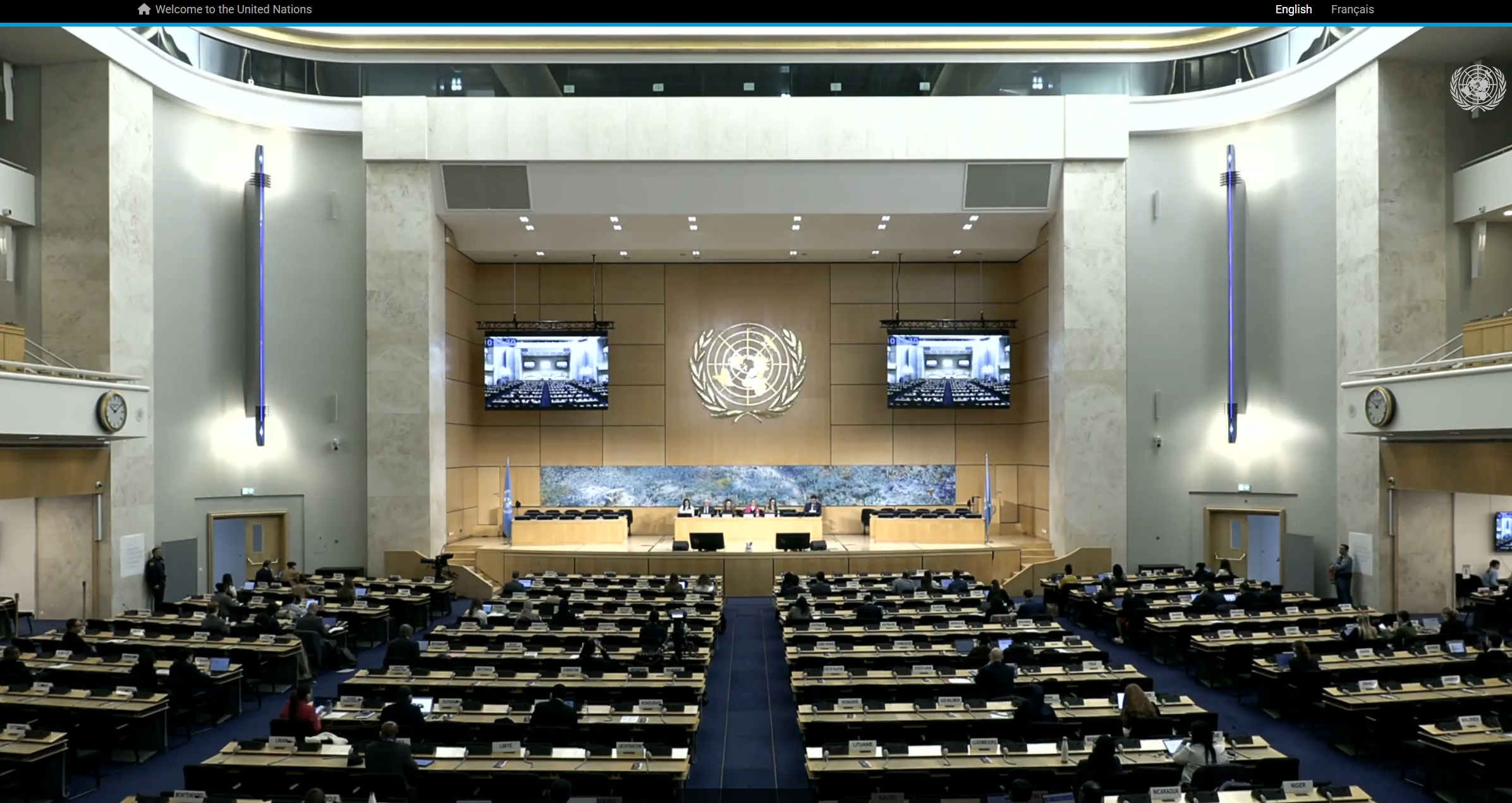
Dr. Peng Jianbo, Executive Chairman of the International Alliance for Regional Innovation and Standardization (IARIS), attended the 61st session of the UN Human Rights Council as a representative with ECOSOC special consultative status. During the general debate of the session, he delivered a speech titled "A Systematic Approach to Ensuring Safe Drinking Water in Rural Areas."
Key Activities Attended and Participated In:
Formal Address to the General Assembly:
Dr. Peng Jianbo shared China’s three‑decade transformation in rural water supply – from “having access to water” to “having access to good quality water” – and the practical experience of safeguarding rural drinking water safety through the “three simultaneous approaches” of standardization, institutionalization, and technological application. He noted that China has achieved the relevant goals of the UN 2030 Agenda ahead of schedule, emphasizing that “ensuring safe drinking water for farmers is the most fundamental embodiment of human rights.”
Thematic Side Event:
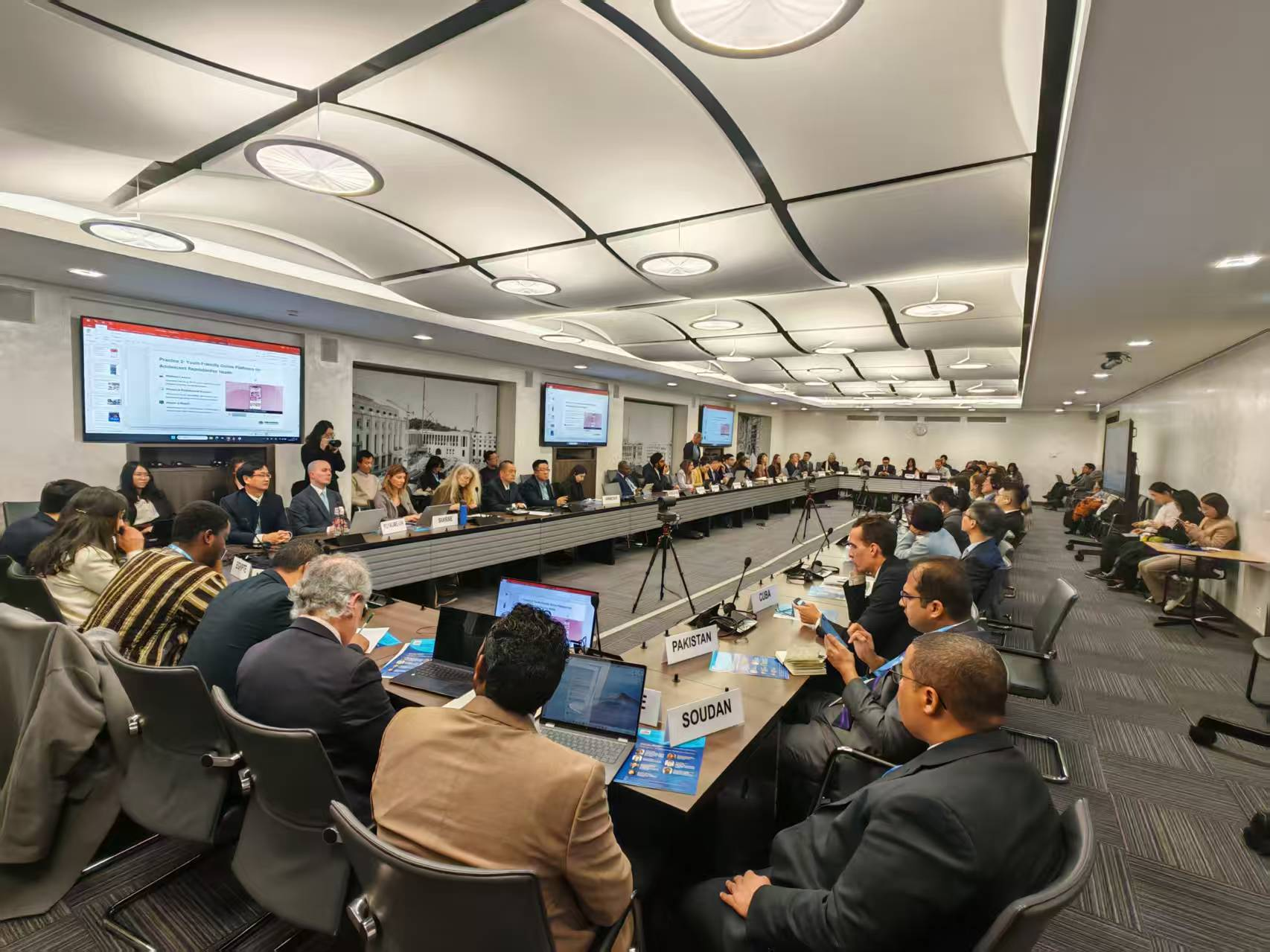
On March 17, 2026, a side event titled “Commemorating the 40th Anniversary of the Declaration on the Right to Development: Addressing Human Rights Challenges through Scientific Solutions” was co‑hosted by the Chinese NGO Network for International Exchanges and the Permanent Mission of China to the UN Office at Geneva. IARIS actively participated as a supporting organization, bringing together nearly 100 participants, including representatives from more than 20 countries (Australia, the United Kingdom, Belgium, Russia, Switzerland, Vietnam, among others), leaders of NGOs from various countries, and experts and scholars.
Sharing at the Side Event:
Representatives of the Alliance shared China’s concrete practices in promoting the right to health, the right to development, and environmental rights through energy technology innovation and the vigorous development of clean energy technologies. These practices included the alignment of international clean energy standards, regional technology transfer, and innovation collaboration, which received high recognition from all participants.
Core Content Presented by the Alliance:
Promoting people’s livelihood improvement through standardization (e.g., rural drinking water safety standardization case)
Responding to global challenges through regional innovation collaboration (clean energy standards alignment, technology transfer, etc.)
Future work directions: governance standards for artificial intelligence, technical specifications for clean energy, guidelines for applying science and technology to people’s livelihoods, etc.
Significance:
This attendance marks the first time that the International Alliance for Regional Innovation and Standardization (IARIS) – since its official registration in Hong Kong in 2025 – has systematically presented its achievements and vision at the UN level, signifying the Alliance’s formal entry onto the international stage of human rights and sustainable development governance. By sharing China’s practice of “standards for the people,” the Alliance promotes mutual recognition of standards, sharing of innovation resources, and joint capacity‑building, making a positive contribution to building an inclusive and mutually beneficial regional standardization cooperation network and a community with a shared future for mankind.

Alliance Chair Delivers Keynote Speech at the 61st Session of the UN Human Rights Council
26 Mar, 2026
Date: February 23 – March 31, 2026
Location: Geneva, Switzerland (Venue of the 61st Session of the UN Human Rights Council)
Core Event:
Dr. Peng Jianbo, Executive Chairman of the International Alliance for Regional Innovation and Standardization (IARIS), attended the 61st session of the UN Human Rights Council as a representative with ECOSOC special consultative status. During the general debate of the session, he delivered a speech titled "A Systematic Approach to Ensuring Safe Drinking Water in Rural Areas."
Key Activities Attended and Participated In:
Formal Address to the General Assembly:
Dr. Peng Jianbo shared China’s three‑decade transformation in rural water supply – from “having access to water” to “having access to good quality water” – and the practical experience of safeguarding rural drinking water safety through the “three simultaneous approaches” of standardization, institutionalization, and technological application. He noted that China has achieved the relevant goals of the UN 2030 Agenda ahead of schedule, emphasizing that “ensuring safe drinking water for farmers is the most fundamental embodiment of human rights.”
Thematic Side Event:
On March 17, 2026, a side event titled “Commemorating the 40th Anniversary of the Declaration on the Right to Development: Addressing Human Rights Challenges through Scientific Solutions” was co‑hosted by the Chinese NGO Network for International Exchanges and the Permanent Mission of China to the UN Office at Geneva. IARIS actively participated as a supporting organization, bringing together nearly 100 participants, including representatives from more than 20 countries (Australia, the United Kingdom, Belgium, Russia, Switzerland, Vietnam, among others), leaders of NGOs from various countries, and experts and scholars.
Sharing at the Side Event:
Representatives of the Alliance shared China’s concrete practices in promoting the right to health, the right to development, and environmental rights through energy technology innovation and the vigorous development of clean energy technologies. These practices included the alignment of international clean energy standards, regional technology transfer, and innovation collaboration, which received high recognition from all participants.
Core Content Presented by the Alliance:
Promoting people’s livelihood improvement through standardization (e.g., rural drinking water safety standardization case)
Responding to global challenges through regional innovation collaboration (clean energy standards alignment, technology transfer, etc.)
Future work directions: governance standards for artificial intelligence, technical specifications for clean energy, guidelines for applying science and technology to people’s livelihoods, etc.
Significance:
This attendance marks the first time that the International Alliance for Regional Innovation and Standardization (IARIS) – since its official registration in Hong Kong in 2025 – has systematically presented its achievements and vision at the UN level, signifying the Alliance’s formal entry onto the international stage of human rights and sustainable development governance. By sharing China’s practice of “standards for the people,” the Alliance promotes mutual recognition of standards, sharing of innovation resources, and joint capacity‑building, making a positive contribution to building an inclusive and mutually beneficial regional standardization cooperation network and a community with a shared future for mankind.